Jesee Card: Simple, Quirky Business Card Design for Your Identity
In a world overflowing with digital connections, the humble business card remains a powerful tool for making a lasting impression. But not all cards are created equal. Jesee Card introduces a refreshing take on this classic necessity: a design that is both simple and slightly quirky, aimed at letting your true identity shine through without the noise of clutter. Whether you are a freelancer just starting out or a seasoned entrepreneur refining your brand, understanding what Jesee Card offers can help you decide if this approach aligns with your goals.
What Exactly Is Jesee Card?
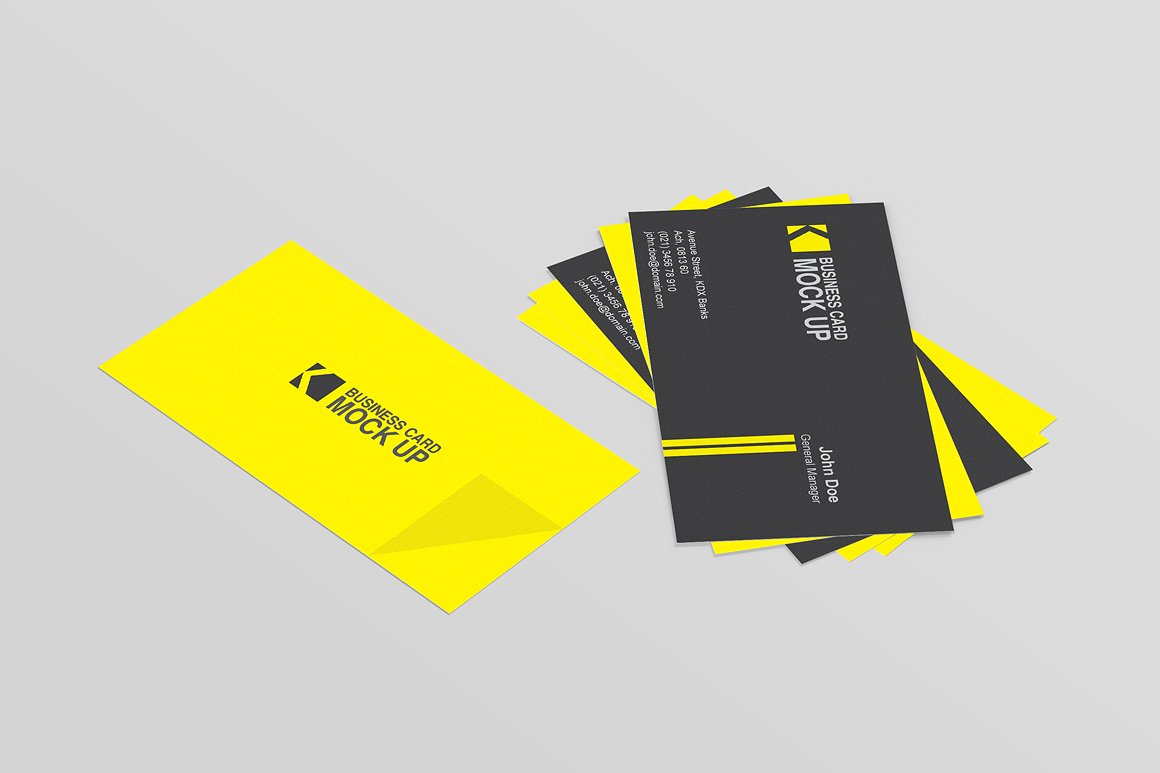
Jesee Card is not a single template or a rigid standard. Instead, it represents a design philosophy centered on minimalism with a twist of personality. Think of a clean, uncluttered layout where the usual overload of contact details, logos, and taglines gives way to a single striking element—an unexpected color pop, a handwritten-style font, a subtle illustration, or an asymmetrical fold. The core idea is that your card should feel like a small piece of art, not a tiny billboard. It’s about visual silence punctuated by a dash of character. For many professionals, this means moving away from overcrowded traditional cards and embracing a design that sparks curiosity and conversation.
Why Different People Care About Jesee Card
The appeal of a simple yet slightly quirky business card varies widely depending on your role, industry, and personal style. Let’s explore how different audiences might evaluate the value of Jesee Card.
For Freelancers and Creatives
If you are a graphic designer, writer, photographer, or illustrator, your business card is often the first sample of your work. A Jesee Card approach allows you to showcase your creative sensibility without shouting. For example, a photographer might use a card with a deep matte finish and a single tiny image printed in spot UV gloss, giving it texture and intrigue. The quirky element could be a fold that reveals a hidden quote or a die-cut shape that hints at your specialty—like a camera lens silhouette. The simplicity ensures the card doesn’t compete with your portfolio; it complements it. Beginners in creative fields can benefit from this style because it doesn’t require complex design skills—just a clear idea of what makes you unique. The cost can be moderate, especially if you choose print-on-demand services that offer premium finishes without large minimum orders.
For Entrepreneurs and Small Business Owners
Running a business means every touchpoint counts. Your card might end up on a desk among dozens of others. A Jesee Card helps you stand out through elegance and subtle oddity rather than flashiness. For a local coffee shop owner, a card shaped like a coffee cup sleeve with a minimalist logo often feels more memorable than a standard rectangle with busy text. The long-term usefulness of such a card lies in its ability to stay in someone’s wallet not just as a contact, but as a keepsake. Small business owners often worry about cost, but Jesee Card designs can be printed on recycled paper or unique textures without breaking the budget. The flexibility to change a quirky element from season to season keeps your marketing fresh without a full rebrand.
For Marketers and Brand Strategists
Marketers understand that a business card is a brand ambassador. The Jesee Card philosophy aligns with modern branding trends that favor authenticity over polish. If you are trying to convey that your agency is innovative but approachable, a card with a small imperfection—like a deliberately misaligned line or a rough edge—can signal that you are not afraid to break the mold. For marketers, the presentation priority is often about triggering emotional recognition. A card that feels slightly odd makes the recipient pause, creating a tiny moment of connection. This is especially valuable at networking events where you have only seconds to make an impression. The card becomes a conversation starter: “Why is one corner rounded differently?” That question opens a door to discuss your brand philosophy.
For Educators and Bloggers
Teachers, trainers, and content creators often use business cards to connect with students, readers, or event attendees. For them, a Jesee Card can reflect their teaching style or niche. A history teacher might have a card with a vintage map texture and a quirky compass rose, while a tech blogger might use a card that looks like a tiny keyboard keycap. The learning value here is personal branding: designing a card that tells a story about your expertise. Since educators often have limited budgets, they appreciate that Jesee Card designs can be executed with simple home printing techniques using perforated cardstock and a bit of creativity. The emotional connection formed through a quirky design can lead to better recall and more return visits to a blog or classroom.
For Hobbyists and Consumers
Even if you aren’t professionally selling anything, a business card can be a fun way to claim your identity. Artists at craft fairs, community organizers, or even pet owners who want to share contact info at the dog park might use a Jesee Card. For consumers, the ease of use aspect is huge. You can design a card in minutes using a simple online tool, choosing from pre-made templates that already embody the simple-quirky balance. The cost is often just a few dollars for a small batch, making it risk-free. The quirky element could be a scratch-off area with a hidden message, a fold that makes the card stand up, or a spot for a handwritten note. It turns a transactional exchange into a playful moment.
Key Priorities: What Matters Most for Different Users
When deciding whether Jesee Card fits your needs, consider which factors are most important for your context.
- Ease of Use: Beginners and non-designers will appreciate that Jesee Card doesn’t require sophisticated software. Many online tools offer drag-and-drop customization with built-in eccentric details. If speed matters, choose a template and swap out your info.
- Cost: Simple designs often mean lower printing costs because fewer colors and finishes are needed. But quirky elements like die-cuts or foil stamping can increase the price. Weigh your budget: a small run of premium cards can be worth the investment for high-stakes networking.
- Quality: Physical feel matters. Thick stock, textured paper, or rounded corners elevate a simple card. For professionals, quality signals reliability. A flimsy quirky card can backfire; make sure the materials match the brand tone.
- Flexibility: One of the biggest advantages of the Jesee Card approach is that you can evolve it easily. Change the color, the quirk, or the paper type without redesigning the entire layout. This flexibility serves freelancers who change niches and businesses that refresh branding yearly.
- Creativity vs. Commercial Value: Pure creativity might lead to a card that is hard to read or scan. For commercial value, ensure key details (name, website, phone) remain clear despite the quirk. A Jesee Card should not sacrifice function for form. The best designs are both delightful and practical.
Deciding If Jesee Card Matches Your Goals
Before you invest time and money, ask yourself three questions. First, what impression do you want to leave? If you want people to think “professional and safe,” a classic clean card might be better. If you want them to think “creative and human,” then Jesee Card is a strong candidate. Second, who is your audience? A law firm might not appreciate a card with a winking cat, but a pet-sitting service would thrive on it. Third, how will the card be distributed? If you hand out cards in quick handshakes, the quirky element needs to be visible instantly. For mailed cards or leave-behinds, subtle surprises that unveil over time can work well.
A practical example: A UX designer named Alex wanted to break into the startup scene. He chose a Jesee Card approach: a flat matte black card with his name and title in crisp white, but with a single tiny pixel—one yellow square—hiding near the corner. At meetings, people would notice it and ask, “What’s that pixel?” Alex explained it represented his obsessive attention to detail. That story became a memorable brand hook. The card was cheap to print in bulk, easy to redesign (change the pixel color for different seasons), and it consistently started conversations. For Alex, the long-term usefulness of this simple quirky card outweighed any traditional design.
Evaluating Long-Term Usefulness
A business card design should last beyond a single networking event. Jesee Card’s simplicity means it tends to age well—minimalist designs rarely look dated. The quirky element acts as a timestamp of your personality at that moment. Five years later, you might look back and smile, or you might decide the quirk no longer fits. That’s okay. The low cost and ease of iteration make it simple to reinvent. For creators and small business owners, this adaptability is a major advantage. For consumers using cards for hobby activities, the emotional attachment to a playful design often keeps them carrying the card longer, which increases the chance they’ll use it.
Final Thoughts on Making the Choice
Jesee Card is not for everyone. If your industry demands strict formality or if you prefer a data-heavy card crammed with every possible contact method, a different approach will serve you better. But if you value connection over coverage, and you understand that a touch of personality can make a stranger remember you in a sea of sameness, then the Jesee Card philosophy is worth exploring. Start with a basic layout, add one slightly unusual detail—a unexpected color, a non-standard shape, a hidden message—and test it on a small batch. See how people react. You might find that a simple, slightly quirky card becomes your most effective networking tool.